
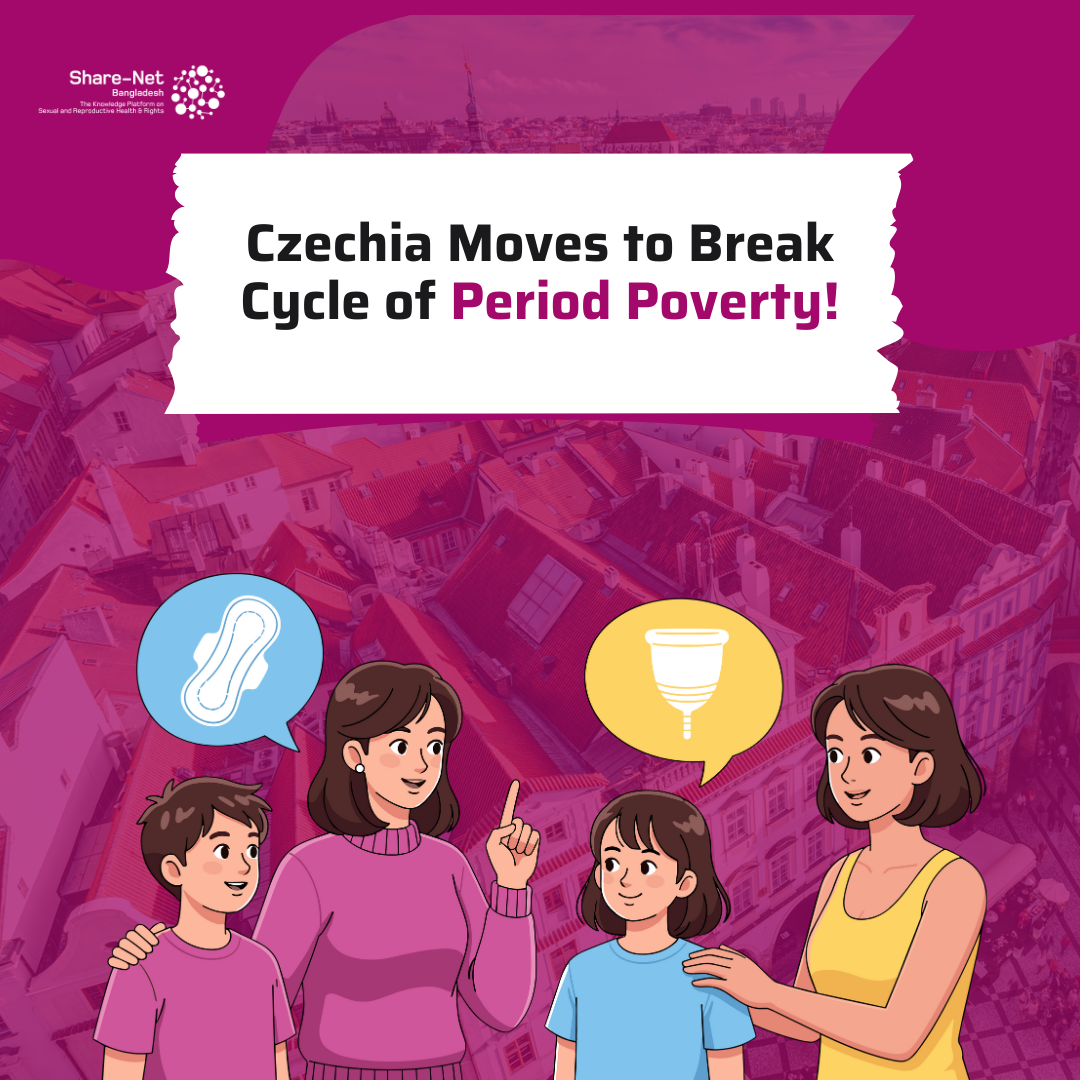
Czechia Moves to Break Cycle of Period Poverty
Since the start of this year, schools across the Czech Republic have successfully implemented a change that could significantly impact the lives of thousands of young people. Menstrual pads and tampons are available for free in school toilets now, no forms to fill in, no questions asked. For campaigners, this is not about charity. It is about dignity.
“We like to think that we are fighting for period dignity, not just against period poverty,” says Lucie Gregorova, co-founder of the non-profit Sola Pomaha, which has spent years distributing menstrual products and pushing the issue into public debate. What began as support for homeless women soon revealed a wider problem. Period poverty, she explains, also affects single mothers, girls in marginalised communities, and students who simply do not have access to money or information when they need it most.
Period poverty is a lack of access to menstrual products, education, hygiene facilities, waste management, or a combination of these. It affects an estimated 500 million people worldwide.
A recent poll suggests that one in three women in Czechia sees menstruation as a financial burden. Sola Pomaha estimates that nearly 90,000 girls may experience period poverty at some point. For those affected, the impact is not abstract. It means missed classes, anxiety, and the humiliation of improvising with toilet paper or staying silent.
The new policy, introduced through a change in a Ministry of Health decree, requires primary and secondary schools to provide free menstrual products in at least half of their toilets. The costs are modest, ranging from a few hundred euros a year per school, and pilot projects in cities like Ostrava and Liberec showed it could be done without controversy. Supporters argue it is common sense. Menstrual products, they say, should be as normal and accessible as soap.
Placing products directly in toilets is a deliberate choice. “Free access means you are free to have your period without telling anyone,” Gregorova explains. It removes the shame that often surrounds menstruation, especially for young girls navigating school life.
The decision has not been without critics. Some see it as an unnecessary expense, others as an example of so-called feminist privilege. Yet surveys show broad public support, and many educators argue that the benefits go beyond hygiene. Normalising menstruation helps create safer school environments, improves mental wellbeing, and reduces absenteeism.
Perhaps most importantly, it starts conversations that Czech society has long avoided. Menstruation remains one of the country’s biggest taboos, a topic people would rather not mention. By treating periods as a normal part of life, schools are teaching respect for bodies, for classmates, and for basic human needs.
Czechia’s move will not end period poverty overnight. But one tampon at a time, it is breaking a cycle of silence and showing that small, practical changes can carry quiet but lasting power.
Source: Reporting Democracy