
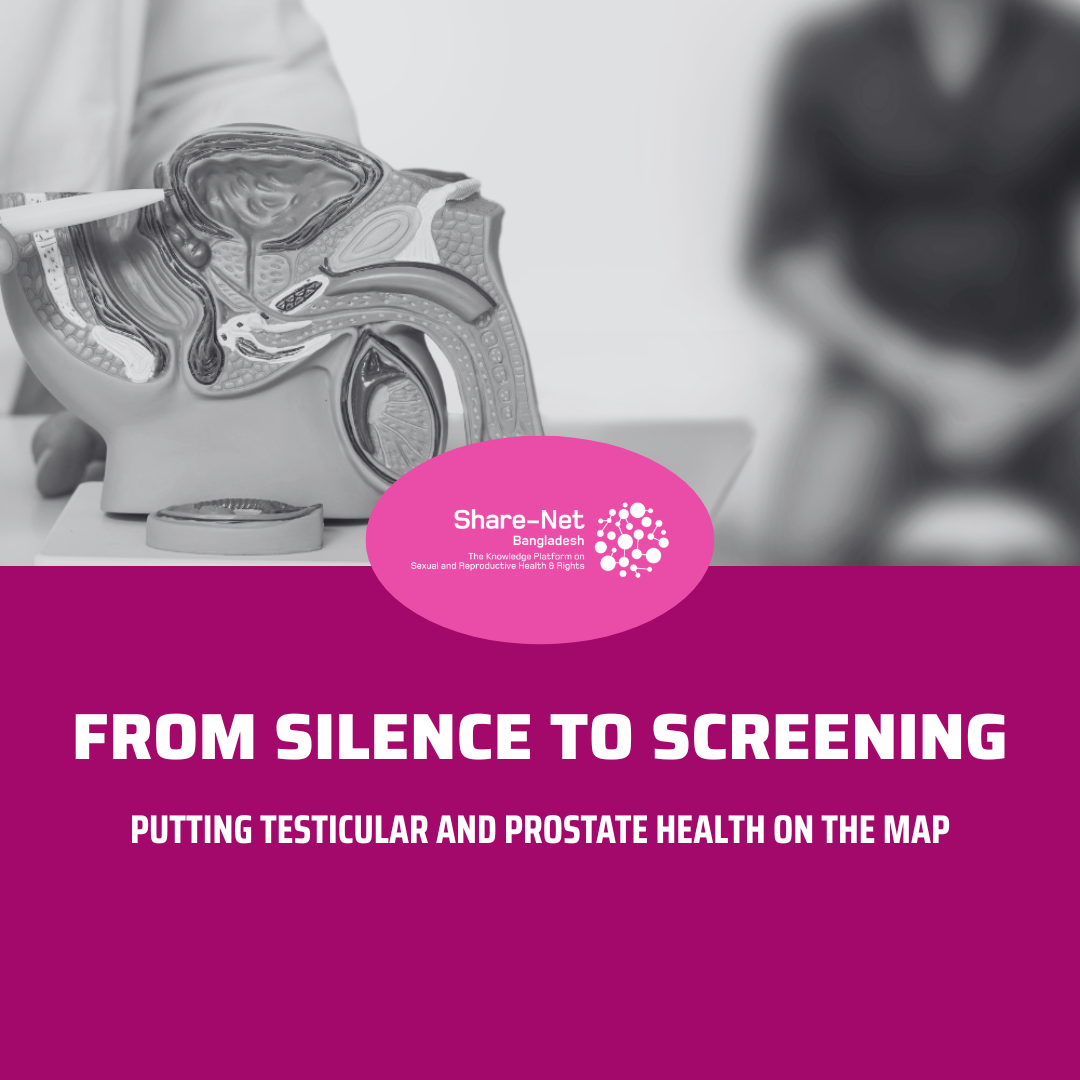
From Silence to Screening: Putting Testicular and Prostate Health on the Map
For too long, men’s reproductive health has been cloaked in embarrassment and avoidance, yet testicular and prostate health are essential parts of overall well-being, not topics to be hidden in hushed tones.
Testicular health refers to the well-being of the testicles, which produce sperm and testosterone, while prostate health centres on the prostate gland, which plays a key role in semen production and urinary function. Problems in either area can affect fertility, urinary comfort and general quality of life.
Testicular diseases include testicular cancer, infections like orchitis, and varicoceles, which affect blood flow. Testicular cancer is rare overall, accounting for about 1 % of male cancers, but it is the most common cancer among young men aged 15–40 years.
Globally in 2021, there were tens of thousands of new cases of male reproductive cancers in young men, with testicular cancer far outnumbering prostate cancer in that age group. Early-stage testicular cancer is often curable with surgery, chemotherapy or radiotherapy, with high long-term survival if detected early. Prostate diseases range from benign enlargement that can disrupt urination to prostatitis and prostate cancer, which is one of the most frequently diagnosed cancers in men worldwide, with over 1.4 million new cases recorded in 2022. Treatment varies from medication and monitoring to surgery and radiotherapy, and many early cases are manageable or curable if detected early.
Yet cultural stigma around “below the belt” health persists, pushing men to suffer in silence. In many societies, including Bangladesh and elsewhere, discussions about men’s reproductive organs are seen as impolite or emasculating, so early symptoms go unreported, and diagnoses are delayed.
Reproductive wellness is more than fertility; it is a broad measure of physical and emotional vitality, including hormone balance, sexual function and the absence of disease. When men ignore symptoms like lumps, pain or urinary changes, they risk missing opportunities for early intervention.
The high cost of the “stiff upper lip” mentality has real consequences. Delays in seeking care can turn treatable conditions into life-threatening ones, increasing medical costs and emotional strain on families and partners.
Prostate issues, though more common in older men, are more than a statistic. Even in South Asia, incidence and disability from prostate cancer have risen over recent decades, underscoring the need for awareness in middle-aged and older men.
Screening does not need to be mysterious. Regular testicular self-exams, PSA blood tests and physical exams are tools that help detect abnormalities early. For most men, conversations with their GP about when to begin screening provide clarity and peace of mind.
Prostate health is closely to urinary function and sexual wellbeing. Symptoms like weak stream, urgency or discomfort can be signs of underlying issues worth investigating early, rather than dismissing.
Traditional tropes of “toughness” hinder diagnosis, making men less likely to talk to partners, friends or family about subtle changes. But the role of loved ones in normalising these conversations can be critical, encouraging people to seek help early.
Diet, exercise and mental health also impact reproductive longevity. Regular physical activity, a balanced diet and stress management support hormonal balance and overall resilience.
Sometimes, reproductive issues are a canary in the coal mine, signalling cardiovascular or hormonal shifts requiring broader health assessment.
Globally, male reproductive cancers are rising in incidence, and in Bangladesh, prostate and testicular cancers contribute to cancer burdens with significant mortality ratios. We must move from silence to dialogue today.
Men’s reproductive health matters. We must talk about it.
Source:
1. WHO
2. PubMed
3. The Global Graph